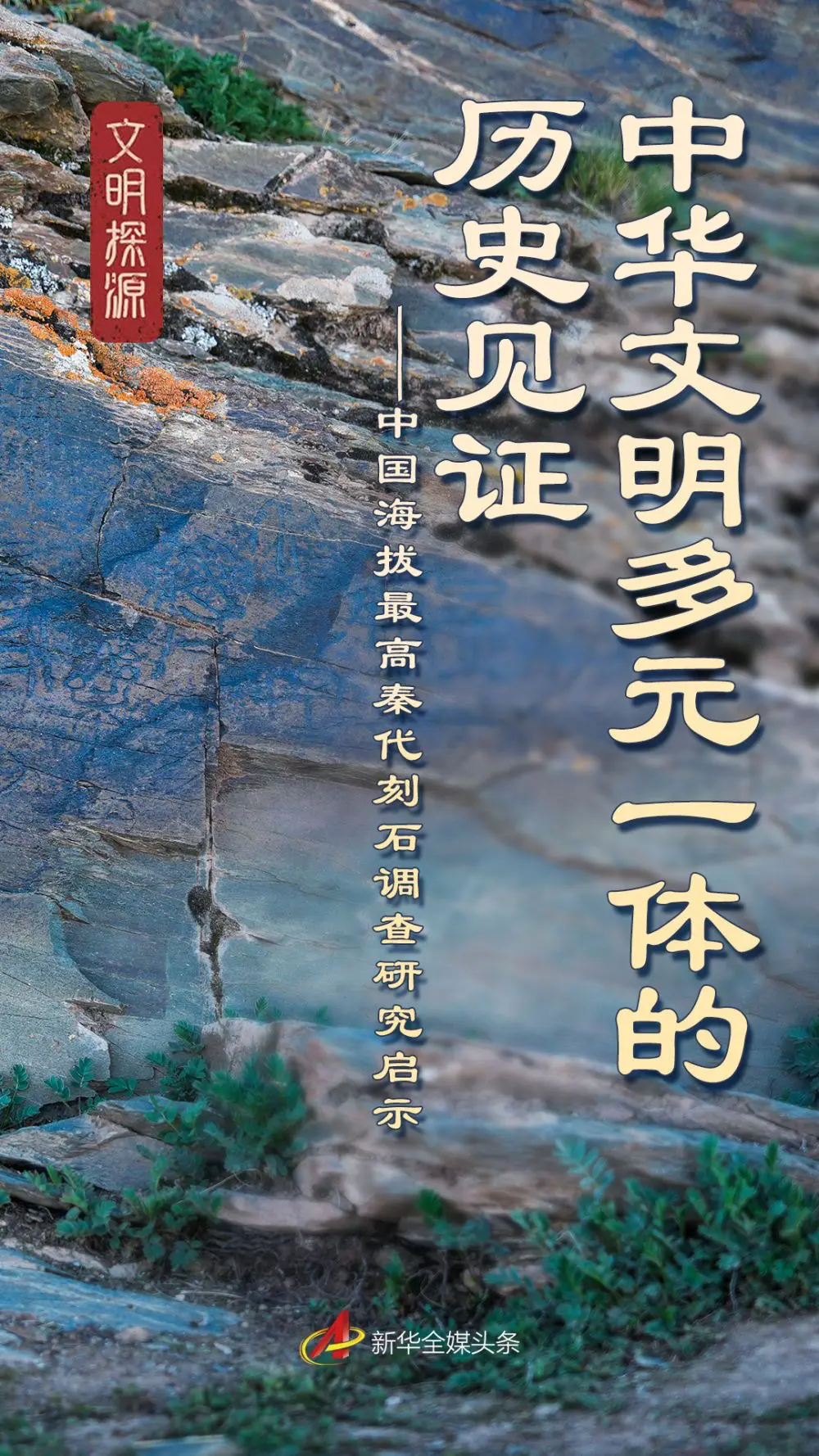
新闻摘要:国家文物局9月15日宣布,在青海果洛玛多县扎陵湖北岸发现一处秦代刻石,命名为“尕日塘秦刻石”。刻石保存于原址,位于黄河源区,全文为12行37字,文字属秦篆,内容涉及“采药昆仑”等记载,成为目前已知海拔最高且存于原址的秦代刻石。
考古与鉴定工作由多学科团队完成,采用高精度信息增强、微距摄影、矿物与金属元素分析等技术,并进行了两次现场勘察与耐磨性测试,排除了近期仿刻可能。学界认为此发现有助于补充秦代中央遣使、开通西域通路与黄河源区开发的历史证据,刻石已被核定为县级文物保护单位并实施现场24小时看护。
思考与启发:尕日塘刻石的发现提醒我们,历史常在不起眼的角落等着被发现,耐心踏实的观察与严谨的求证是把散落线索串起来的办法。日常生活里,无论是工作还是邻里互助,守真务实、互相尊重,也能把小处做到位,积累成可见的收获。
天经里有一句朴素的话,鼓励人去寻求和探问;考古用事实回应疑问,正像这句话所说的那样,勤于寻找的人常会有所发现。愿我们在面对未知与传承时,都能以诚实与勤勉守望自己的土地与记忆。
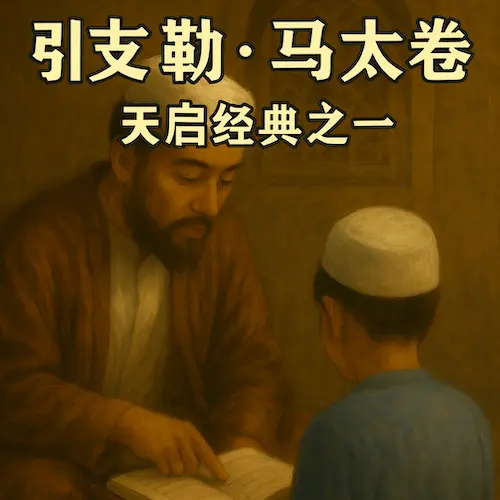
经文:求,就给你们;寻找,就寻见;叩门,就给你们开门。 《引支勒·马太卷 7:7》
链接:📖 查看经文
### English Translation
Title: The Discovery of the “Ga‑ri‑tang” Qin Dynasty Inscribed Stone
News Summary
On September 15, the State Administration of Cultural Heritage announced the finding of a Qin‑era stone inscription on the north‑west bank of the Zhalinghu River in Maduo County, Guoluo Prefecture, Qinghai Province. The stone has been named the “Ga‑ri‑tang Qin Inscribed Stone.”
The stone remains in its original location near the source of the Yellow River. The inscription consists of 12 lines containing 37 characters written in the Qin seal script. Its text mentions “collecting herbs on Kunlun” and other notes, making it the highest‑altitude Qin‑period inscription still standing in its original place that we know of today.
A multidisciplinary team carried out the archaeological and authentication work. Using high‑precision digital enhancement, macro photography, and mineral‑and‑metal elemental analysis, they conducted two on‑site examinations and wear‑resistance tests, ruling out any recent carving or forgery. Scholars believe the discovery adds valuable evidence about the Qin dynasty’s central missions, the opening of western routes, and early development of the Yellow River headwaters. The stone has now been designated a county‑level protected cultural relic and is guarded on‑site 24 hours a day.
Reflection and Insight
The Ga‑ri‑tang stone reminds us that history often lies hidden in unremarkable places, waiting to be uncovered. Careful, patient observation and rigorous verification are the keys to stitching scattered clues together. In everyday life—whether at work or in neighborly help—being truthful, diligent, and respectful can turn small acts into visible blessings.
A simple saying from the Scriptures encourages us to seek and ask. Archaeology answers questions with facts, just as that saying promises: those who earnestly search will find. May we, when facing the unknown or preserving our heritage, guard our land and memory with honesty and hard work.
Scripture
“Ask, and it will be given to you; seek, and you will find; knock, and the door will be opened to you.” — Matthew 7:7
[📖 View the Scripture](https://www.huizu-tianjing.icu/yinzhile/mataijuan/7)
来源:http://qh.xinhuanet.com/20250920/6e9d898bbf374b2e858a764ab89edd73/c.html