新闻摘要:
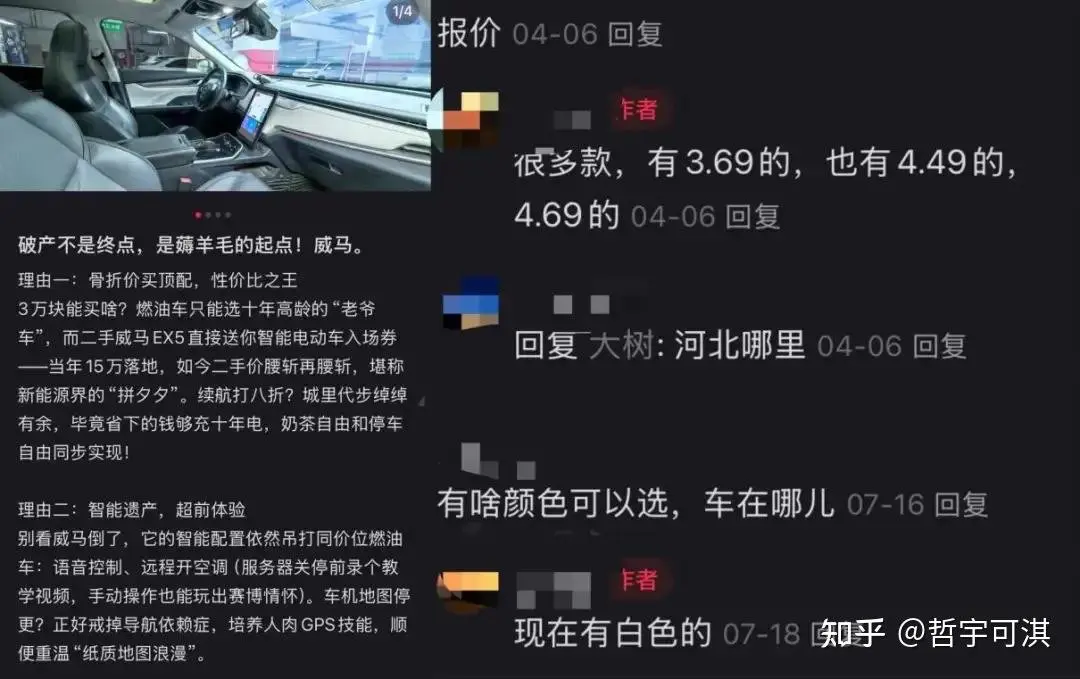
原文是一篇知乎讨论,讲述年轻人趁车企倒闭或停产时以低价购买“烂尾车”的现象。作者通过几次打车与司机的对话,描述有人在威马、哪吒等品牌倒闭或调整服务后,以半价甚至更低价入手车辆,用作网约车以快速回本;也提到有些4S店仍在运营,但原先承诺的服务和流量等被取消或变更。
答主和评论里对这种“抄底”行为有不同看法:支持者认为这是务实的消费,重视车辆的使用价值和性价比;反对者提醒风险,包括售后与零件供应的不确定、车机与服务停止维护、保险被拒保或涨价,以及来源与手续的合法性问题。总体上这是理性与冒险并存的选择,需要根据用途与能力慎重评估。
思考与启发:
便宜固然诱人,但买车终归是要面对日常的修护、保险与长期成本。像文章里那些把车用来跑网约车的司机,他们用的是权衡后的务实计算;个人购车若图便宜,最好先想清楚后续责任与风险,并多打听、留证与求助邻里或行家,别只看眼前的折扣。
天经常提醒人要勤勉筹划、诚实待人。把眼前的利益与长远的安排放在一起考虑,既是对自己负责,也有助于在社区里互相帮助,少走弯路。
经文:
殷勤筹划的,足致丰裕;行事急躁的,都必缺乏。《宰逋尔·箴言 21:5》
链接:📖 查看经文
### English Translation
Title:
The Cost and Choice of Buying a Cheap Car
Summary of the Article:
The original piece is a discussion from Zhihu (a Chinese Q&A site). It talks about a trend among young people who snap up “unfinished” or “abandoned” cars at very low prices when the manufacturers go out of business or stop production.
The author relates several conversations with rides‑hare drivers. After brands such as WM Motor (Weima) and NIO’s “Nezha” shut down or cut back services, some people have bought those vehicles for half price—or even less—and then use them for ride‑hailing to recoup their investment quickly. The article also mentions that some authorized dealers (the “4S” shops) are still open, but the warranties, promised services, and traffic‑flow incentives that were originally advertised have been cancelled or changed.
In the answers and comments, readers have mixed opinions about this “bottom‑fishing” practice:
- Supporters call it practical consumer behavior, emphasizing the vehicle’s usefulness and value‑for‑money.
- Critics warn of the risks: uncertain after‑sales support, scarce spare parts, discontinued onboard‑system updates, insurance companies that may refuse coverage or raise premiums, and possible questions about the legality of the vehicle’s title and paperwork.
Overall, the discussion frames the choice as a blend of rational calculation and risk‑taking. It suggests that anyone considering such a purchase should weigh the intended use and personal capacity carefully.
Reflections and Take‑aways:
Cheap prices are tempting, but owning a car always brings ongoing responsibilities—regular maintenance, insurance, and long‑term costs. The drivers in the article who use the cars for rides‑hailing have done a careful cost‑benefit analysis before deciding.
If you are buying a car simply because it’s cheap, pause first. Think through the future obligations and possible pitfalls, do thorough research, keep records, and seek advice from neighbors or trusted mechanics. Don’t let a low‑ball discount blind you to what comes after the sale.
The Bible repeatedly tells us to plan diligently and act honestly. We are called to balance immediate gain with long‑term stewardship, taking care of ourselves and helping our community avoid unnecessary trouble.
Scripture:
“The plans of the diligent lead surely to abundance, but everyone who is hasty comes only to poverty.”
— Proverbs 21:5 (Zai Bu’er Translation)
📖 View the Scripture
来源:https://www.zhihu.com/question/1970775220357936878