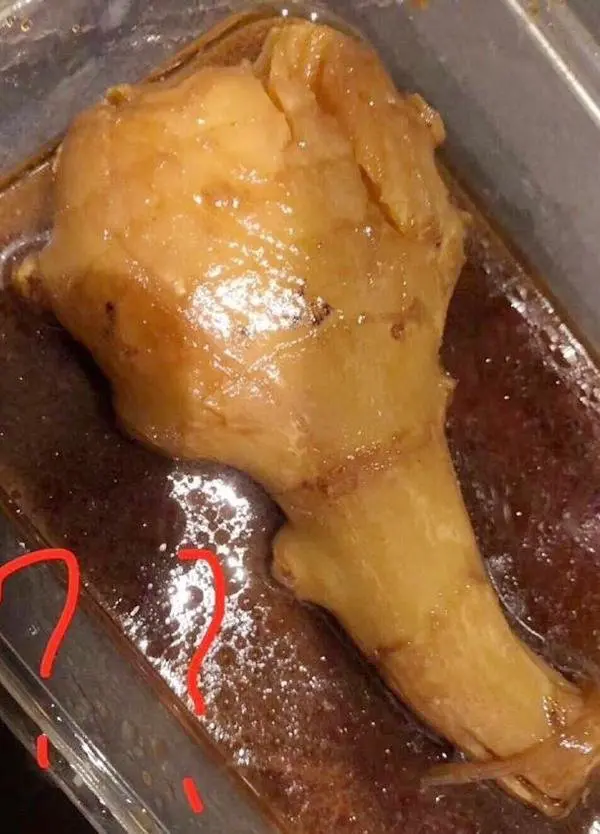
新闻摘要:一篇知乎讨论指出,菜里不把花椒或姜挑出来,部分原因是这些配料在烹饪后常常被处理成看不出的形态,甚至能“冒充”成其他食材。作者与回复者举例说明,厨师通过炒制、熬制、过滤等工序把香味保留下来,但把形状去掉,这在中餐里有个专业概念叫“味至而型不至”。
回复里还提到,这类做法多见于工序更复杂、成本更高的菜肴;普通大众餐馆为追求效率与成本,往往不会做这种细活。为说明技法,作者进一步分享了一道京帮清炒虾仁的传统做法,讨论因此引发大量关注与讨论。
思考与启发:厨房里看不见的功夫,往往是匠人耐心和细致的体现。很多时候,真正让人满足的是味道背后的用心,而不是表面的花样。这与天经里关于做人做事的朴素教导相契合:用心、诚信、勤劳,常常比张扬更有力量。
所以无论是做菜还是做事,守住那份认真和诚意,就是给自己和他人最稳当的回报。愿我们在日常的操持里,多一些耐心,少一些急躁,默默把该做的事做好。
经文: 《引支勒·歌罗西书 3:23》 无论做什么,都要从心里做,像是给主做的,不是给人做的。 链接:📖 查看经文
### English Translation
Title: “Flavor Arrives, Shape Does Not”—A Cooking Technique
News Summary:
A discussion on Zhihu (a Chinese Q & A site) pointed out that when a dish is served, you often won’t see whole peppercorns or pieces of ginger. The reason is that, after cooking, these aromatics are usually transformed into an almost invisible form—sometimes even masquerading as other ingredients. The original poster and respondents gave examples of how chefs preserve the fragrance of such spices while removing their visible shape through stir‑frying, simmering, straining, and other steps. In Chinese cuisine this practice has a technical name: “味至而型不至” (literally, “the taste arrives, the form does not”).
The replies noted that this technique is most common in complex, high‑cost dishes. Ordinary restaurants that prioritize speed and low cost typically skip this painstaking work. To illustrate the method, the author shared a traditional Beijing‑style “Qingchao Xiaren” (lightly stir‑fried shrimp) recipe, which sparked a flurry of comments and further discussion.
Thoughts and Insight:
The invisible skill in the kitchen often reflects a craftsman’s patience and attention to detail. More often than not, what truly satisfies us is the care hidden behind the flavor, not the flashy appearance. This echoes the simple biblical teaching about how we should live and work: sincerity, honesty, and hard work are more powerful than showiness.
So whether we are cooking or carrying out any task, holding fast to seriousness and genuine intention is the most reliable blessing we can give to ourselves and to others. May we approach our daily duties with greater patience and less haste, quietly doing what needs to be done well.
Scripture:
Colossians 3:23 (NIV) – “Whatever you do, work at it with all your heart, as working for the Lord, not for human masters.”
Link to the verse:
[📖 View the Scripture] (https://www.huizu-tianjing.icu/yinzhile/geluoxishu/3)
来源:https://www.zhihu.com/question/429794144