新闻摘要:
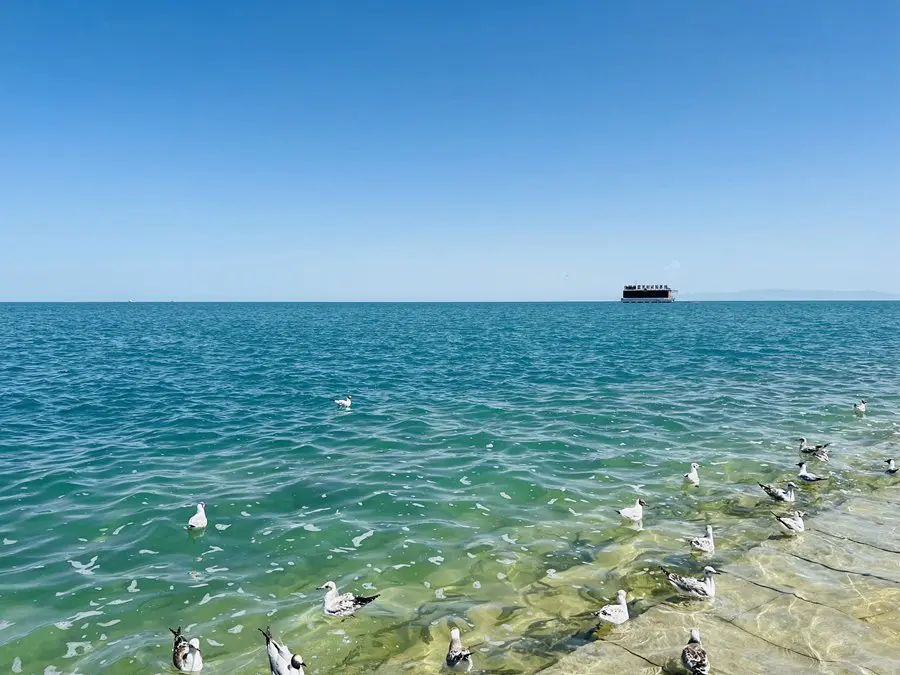
“十四五”以来,青海湖生态保护取得显著成效:普氏原羚数量增长至3700余只,裸鲤资源恢复至12.75万吨,水鸟约60.6万只,湿地面积与生态质量持续改善。监测体系实现重点区域和野生动物全覆盖,卫星遥感、无人机等科技手段与“四巡”机制并用,形成常态化监管能力。
投入与制度同步推进。累计投入3.3亿元用于湿地与水生态修复,31亿元用于景区提档升级;污水达标排放、垃圾基本实现“零填埋”,藻类增殖得到遏制并实现资源化利用。两轮综合改革建立起“管理局—管理分局”二级管理体系,完成多数创建任务并进入成效评估;生态保护带动环湖多村多户增收,旅游与生态管护成为群众稳定收入来源。
思考与启发:
青海湖的变化说明,保护不是一次性工程,而是日常的守望与长期投入。技术、制度和资金固然重要,更多的仍是人们在生活中一点一滴的选择:分好垃圾、遵守景区规矩、支持本地生态岗位,这些平凡行动能把大的努力变为实际效果。
天经里有关土地与看护的教导,提醒我们以诚实和勤劳对待自然。把青海湖当作共同的家,需要邻里之间的互助与耐心,这样的守护能让当下的付出在未来结成可持续的好果子。
经文:
地和其中所充满的,世界和住在其间的,都属主。《宰逋尔·诗篇 24:1》
链接:(直链) 📖 查看经文
### English Translation
Title:
Everyday Stewardship of Lake Qinghai
News Summary
Since the launch of China’s 14th Five‑Year Plan, the ecosystem of Lake Qinghai has shown remarkable improvement:
- The population of the endangered Tibetan antelope (chiru) has risen to more than 3,700 individuals.
- The native naked carp now total about 127,500 tons of biomass.
- Roughly 606,000 waterbirds use the lake each year.
- Wet‑land area and overall ecological quality continue to get better.
A comprehensive monitoring system now covers all key zones and wildlife. Satellite imagery, drones and other high‑tech tools work together with the “four‑inspection” (on‑site, remote, seasonal, and emergency) mechanism, giving authorities a steady, year‑round ability to supervise the lake.
Investment and policy have moved forward hand‑in‑hand:
- ¥330 million (about US $48 million) has been spent on wet‑land and water‑ecosystem restoration.
- ¥3.1 billion (about US $460 million) has funded upgrades to the scenic‑area facilities.
- Wastewater now meets discharge standards, and trash is almost entirely “zero‑landfilled.”
- Algal blooms have been curbed and turned into useful resources.
Two rounds of comprehensive reform created a two‑tier management structure—“Management Bureau → Management Sub‑Bureau.” Most of the set‑up tasks are finished and are now being evaluated for results.
The ecological push has also lifted the incomes of many lakeside villages and households. Tourism and environmental‑care jobs have become stable sources of livelihood for local people.
Reflection & Take‑away
Lake Qinghai’s story teaches that conservation is not a one‑off project but a daily watch‑over and a long‑term commitment. Technology, rules, and money are essential, yet the most powerful force is the small, honest choices people make in their everyday lives: sorting trash, obeying park regulations, and supporting local eco‑jobs. Those ordinary actions turn big plans into real, visible results.
Biblical teaching about caring for the land reminds us to treat creation with integrity and hard work. Seeing Lake Qinghai as a shared home calls for neighborly help and patient perseverance. When we guard it together, today’s effort will bear sustainable fruit for future generations.
Scripture
“The earth is the Lord’s, and everything in it, the world, and all who live in it.”
— Psalm 24:1 (CEV)
[📖 Read the passage] (https://www.huizu-tianjing.icu/zaibuer/shipian/24)
来源:http://qh.xinhuanet.com/20251121/875b839797d34afbbe3b91b8d849155a/c.html